
When most people think about caravan insurance, they usually focus on theft, storm damage, accidents, or contents cover. However, invasive plants such as Japanese knotweed can also create problems for caravan owners and site operators — particularly where static caravans, holiday parks, or storage areas are involved.
While knotweed itself may not directly appear in every caravan insurance policy, its impact on land, structures, and property value can still influence risk assessments and future claims.
What Is Japanese Knotweed?
Japanese knotweed is a fast-growing invasive plant known for its aggressive root system. It can spread rapidly and is capable of damaging:
- Concrete bases and hardstanding
- Drainage systems
- Paths and access roads
- Boundary walls and fencing
- Foundations and nearby structures
The plant is particularly problematic because it can be difficult and expensive to remove once established.
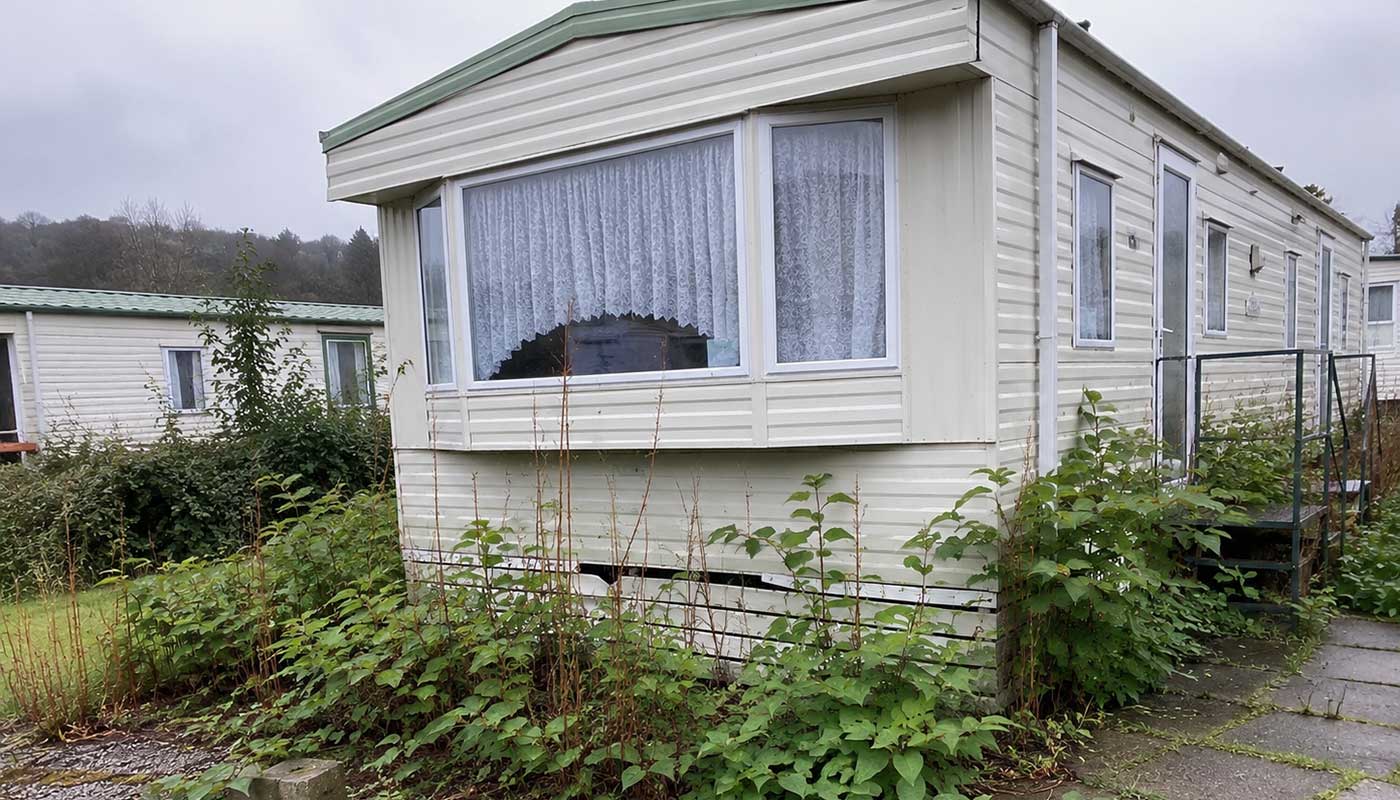
How Could Knotweed Affect Caravan Insurance?
Insurers assess risk when providing cover for touring caravans, static caravans, and caravan parks. If invasive plants are present on or near a site, insurers may view the location as presenting increased maintenance or structural risks.
Potential issues may include:
- Damage to caravan bases or pitch infrastructure
- Restricted access for maintenance or emergency services
- Reduced site value
- Higher future repair costs
- Legal disputes between neighbouring landowners
In severe cases, unresolved knotweed problems could complicate claims relating to structural movement or ground damage.
For more information about Japanese knotweed identification, treatment, and legal considerations, visit knotweed.org.uk.
Static Caravan Sites and Holiday Parks
Static caravan sites and holiday parks may be more vulnerable to invasive plants because of their large outdoor areas and landscaped surroundings. If knotweed spreads beneath hardstanding or utility areas, repairs can become disruptive and costly.
Site owners are increasingly expected to manage invasive plant risks responsibly, particularly where public access or neighbouring properties are involved.
Will Insurers Refuse Cover?
Not necessarily. Many insurers will still provide caravan insurance where knotweed is present, especially if professional treatment plans are already in place.
However, insurers may ask questions about:
- Known invasive plant issues on the site
- Previous treatment work
- Ongoing management plans
- Structural damage history
- Ground stability concerns
Being transparent with insurers is important. Failing to disclose known problems could affect future claims.
What Should Caravan Owners Do?
If you suspect Japanese knotweed near your caravan, storage facility, or holiday park pitch, it is best to act early.
Recommended steps include:
- Identifying the plant correctly
- Seeking professional advice
- Keeping records of inspections and treatment
- Informing site operators where appropriate
- Monitoring regrowth regularly
Professional remediation can often prevent larger structural and insurance-related problems later on.
Final Thoughts
Although Japanese knotweed may not be the first thing caravan owners think about, invasive plants can create genuine property and maintenance risks. Whether you own a touring caravan, static caravan, or manage a holiday site, early identification and treatment are essential.
Understanding how environmental issues affect caravan insurance can help you protect your investment and avoid costly complications in the future.